

Can I use electric nail drill bits on nails with fungal infections?
As a supplier of electric nail drill bits, I often receive various inquiries from customers. One common question that has piqued my interest is whether it's safe and advisable to use electric nail drill bits on nails with fungal infections. In this blog post, I'll delve into this issue, drawing on scientific knowledge and practical experience to provide a comprehensive answer.
Understanding Fungal Nail Infections
Fungal nail infections, also known as onychomycosis, are a prevalent nail disorder caused by fungi, typically dermatophytes, yeasts, or molds. These infections often start as a white or yellow spot under the tip of the nail and can gradually spread, causing the nail to thicken, discolor, and become brittle or crumbly. Fungal infections can be uncomfortable and, if left untreated, may lead to more severe nail damage and even pain.
The warm, moist environment inside shoes and socks provides an ideal breeding ground for fungi. Additionally, factors such as poor nail hygiene, a weakened immune system, diabetes, and aging can increase the risk of developing a fungal nail infection.
The Risks of Using Electric Nail Drill Bits on Infected Nails
Using electric nail drill bits on nails with fungal infections presents several risks. Firstly, the process of drilling can generate heat and friction, which may cause the fungus to spread to other parts of the nail or to adjacent nails. The drill bits can also create micro - abrasions on the nail surface, providing an entry point for the fungus to penetrate deeper into the nail bed.
Secondly, if the drill bits are not properly sterilized between uses, they can act as a vector for spreading the fungus to other clients or to other parts of the same person's body. Fungi can survive on the surface of the drill bits, and when used on an infected nail, the bits can transfer the fungus to healthy nails during subsequent use.

Potential Benefits in a Controlled Environment
However, in a controlled and professional setting, there can be some potential benefits to using electric nail drill bits on infected nails. A trained nail technician can use the drill bits to carefully remove the thickened and damaged parts of the infected nail. This can help to reduce the amount of fungus present on the nail surface and may also improve the penetration of antifungal medications.
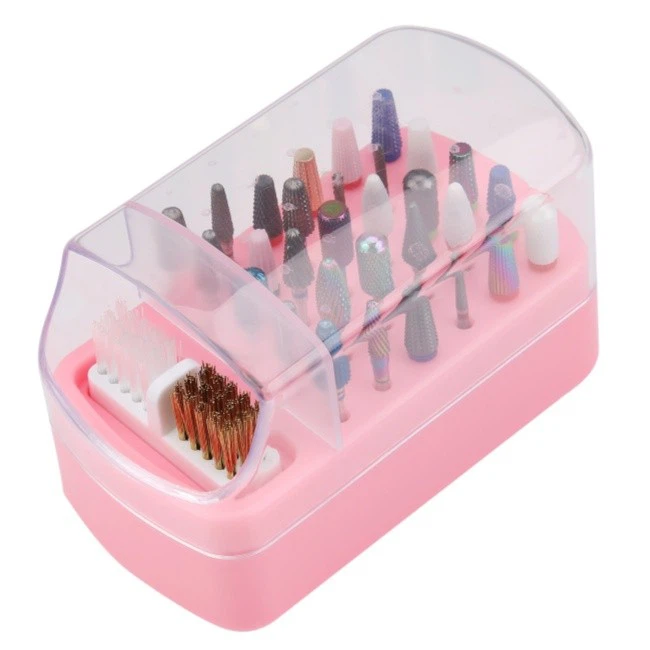
For example, by thinning the nail with a Drill Bit Display Tool, the topical antifungal cream or solution can reach the nail bed more effectively. This can potentially speed up the treatment process and improve the overall outcome.
Precautions to Take
If you decide to use electric nail drill bits on nails with fungal infections, it's crucial to take the following precautions:
- Sterilization: Thoroughly sterilize the drill bits before and after each use. This can be done by soaking the bits in a suitable disinfectant solution or using an autoclave, which uses high - pressure steam to kill bacteria, viruses, and fungi.
- Personal Protective Equipment (PPE): Wear gloves and a mask to prevent the inhalation of fungal spores and to protect yourself from potential cross - contamination.
- Professional Training: Only trained and experienced nail technicians should attempt to use electric nail drill bits on infected nails. They have the skills and knowledge to handle the drill safely and effectively without causing further damage to the nail.
- Use of Appropriate Bits: Select the appropriate drill bits for the task. For example, a Diamond Cuticle Bit can be used for more delicate work around the cuticle area, while a more robust bit may be suitable for removing thickened nail layers.
Alternatives to Using Drill Bits
If you're not comfortable using electric nail drill bits on infected nails, there are alternative methods for treating fungal nail infections. Topical antifungal medications, such as creams, ointments, and nail lacquers, can be applied directly to the infected nail. Oral antifungal medications may also be prescribed by a doctor for more severe cases.
Another option is to use a Gel Polish Remover 3"32 Nail Files Pedicure to gently file down the infected nail. This method is less invasive than using a drill bit and can still help to remove the damaged parts of the nail.
Conclusion
In conclusion, using electric nail drill bits on nails with fungal infections is a complex issue. While there are potential benefits in a professional and controlled setting, there are also significant risks involved. It's essential to weigh the risks and benefits carefully and to take all necessary precautions to prevent the spread of the fungus.
If you're a nail salon owner or a nail technician interested in using our high - quality electric nail drill bits, we encourage you to reach out to us for more information. Our products are designed to meet the highest standards of quality and safety, and we can provide you with guidance on how to use them effectively. Whether you're dealing with healthy nails or those with fungal infections, our drill bits can be a valuable tool in your nail care arsenal. Contact us today to start a discussion about your procurement needs and let's work together to provide the best nail care solutions.
References
- “Onychomycosis: Diagnosis and Treatment.” American Family Physician, vol. 81, no. 12, 2010, pp. 1411 - 1418.
- Gupta, A. K., & Cooper, E. A. “Onychomycosis: An Update.” Journal of the American Academy of Dermatology, vol. 51, no. 6, 2004, pp. 809 - 821.
- Scher, R. K., & Daniel, C. R. “Nail Disorders: Diagnosis and Management.” Elsevier, 2005.