

Handling a carbide cuticle bit that gets stuck in the cuticle can be a daunting situation, both for the nail technician and the client. As a supplier of high - quality carbide cuticle bits, I understand the importance of providing not only top - notch products but also valuable guidance on how to deal with potential issues. In this blog, I'll share some practical steps and safety measures to handle this situation effectively.
Understanding the Problem
Before we delve into the solutions, it's crucial to understand why a carbide cuticle bit might get stuck in the cuticle. Carbide cuticle bits are known for their sharpness and durability, which makes them ideal for precise nail work. However, if used incorrectly, they can get caught in the delicate skin around the nails. This can happen due to excessive pressure, improper angle of use, or the bit being too dull.
Immediate Steps to Take
When you notice that the carbide cuticle bit is stuck in the cuticle, the first thing to do is to remain calm. Panicking can lead to hasty actions that may cause more harm.
- Stop the Tool Immediately: Switch off the nail drill as soon as you realize the bit is stuck. Continuing to run the drill can exacerbate the situation, potentially causing more damage to the cuticle and surrounding skin.
- Assess the Situation: Take a close look at how the bit is stuck. Is it just slightly caught, or is it deeply embedded? This will help you determine the best course of action.
Removing the Stuck Bit
Depending on the severity of the situation, there are different methods you can use to remove the stuck bit.

Gentle Wiggling
If the bit is only slightly caught, you can try gently wiggling it back and forth. Hold the nail firmly but gently with one hand and use the other hand to carefully move the bit in a small, controlled motion. This may loosen the bit from the cuticle. However, be extremely careful not to pull too hard, as this can cause the cuticle to tear.
Using Tweezers
For a bit that is a bit more firmly stuck, you can use a pair of clean, sterilized tweezers. Grasp the bit as close to the cuticle as possible and gently pull it out in the same direction it went in. Make sure the tweezers have a good grip on the bit to avoid slipping and causing further injury.
Seeking Professional Help
If the bit is deeply embedded or if you are unsure about how to proceed, it's best to seek the help of a professional. A dermatologist or a trained nail technician with more experience in dealing with such situations can safely remove the bit without causing significant damage.
After - Care
Once the bit has been successfully removed, it's important to take proper care of the affected area to prevent infection and promote healing.

- Clean the Area: Wash the cuticle area with mild soap and warm water. This helps to remove any debris or bacteria that may have entered the wound.
- Apply an Antiseptic: After cleaning, apply an antiseptic solution such as hydrogen peroxide or iodine to the cuticle. This helps to kill any remaining bacteria and reduces the risk of infection.
- Bandage the Area: If the cuticle is bleeding or if there is an open wound, cover it with a small bandage. Change the bandage regularly to keep the area clean.
Preventing Future Incidents
As a carbide cuticle bit supplier, I believe in not only solving problems but also preventing them from happening in the first place. Here are some tips to prevent a carbide cuticle bit from getting stuck in the cuticle:
- Use the Right Bit: Make sure you are using the appropriate carbide cuticle bit for the job. Different bits are designed for different tasks, so choose the one that is best suited for cuticle work. For example, the 5 in 1 Carbide Nail Drill Bit is a versatile option that can be used for various nail - related tasks, including cuticle work.
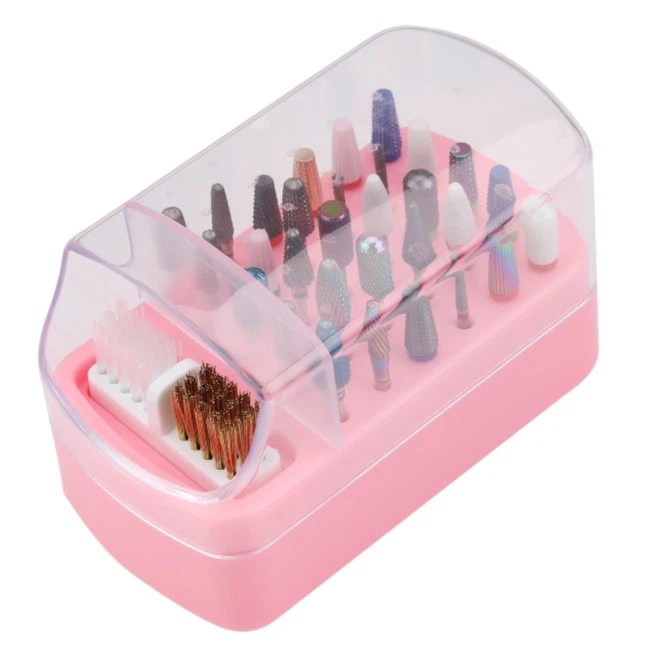
- Maintain the Bit: Keep your carbide cuticle bits sharp and clean. Dull bits are more likely to get stuck. You can use a Drill Bit Display Tool to organize and store your bits properly, which also helps in maintaining their quality.
- Proper Technique: Use the correct technique when working with the bit. Apply gentle pressure and use the bit at the right angle. Avoid pressing too hard or using the bit in a jerky motion.
Safety Considerations
Safety should always be the top priority when using carbide cuticle bits. Here are some safety tips to keep in mind:
- Wear Protective Gear: Wear safety glasses to protect your eyes from any flying debris. Gloves can also be worn to protect your hands.
- Keep the Work Area Clean: A clean work area reduces the risk of infection. Make sure to clean your nail drill and bits regularly.
- Follow Manufacturer's Instructions: Always follow the manufacturer's instructions when using the nail drill and carbide cuticle bits. This includes proper installation, operation, and maintenance.
Our Product Range
At our company, we offer a wide range of high - quality carbide cuticle bits, including the Safety Nail Efile Bits -XF F M C XC. Our bits are made from the finest carbide materials, ensuring sharpness, durability, and precision. We are committed to providing our customers with the best products and support.
Contact Us for Purchase and Consultation
If you are interested in purchasing our carbide cuticle bits or have any questions about handling them, we encourage you to reach out to us. Our team of experts is ready to assist you with your needs. Whether you are a professional nail technician or a DIY enthusiast, we have the right products for you. Contact us today to start a purchase negotiation and take your nail care to the next level.
References
- "Nail Care and Safety Guide" - A comprehensive guide on nail care and safety practices.
- "Carbide Tool Technology" - A technical resource on the properties and uses of carbide tools.