

Hey there! As a supplier of rechargeable nail drills, I've seen firsthand how important it is to get the torque right. Whether you're a professional nail technician or just someone who loves doing their own nails at home, adjusting the torque of your rechargeable nail drill can make a huge difference in your nail care experience. In this blog, I'll walk you through everything you need to know about adjusting the torque of a rechargeable nail drill.
What is Torque in a Nail Drill?
Before we dive into how to adjust the torque, let's first understand what torque is. Torque, in simple terms, is the rotational force that a nail drill can generate. It determines how well the drill can handle different types of nails and nail care tasks. A higher torque means the drill can provide more power, which is great for tasks like filing down thick nails or removing gel polish. On the other hand, a lower torque is better for more delicate tasks, such as shaping natural nails or working on sensitive cuticles.
Why Adjust the Torque?
There are several reasons why you might want to adjust the torque of your rechargeable nail drill. Firstly, different nail care tasks require different levels of power. For example, if you're working on a client's thick acrylic nails, you'll need a higher torque to effectively file them down. But if you're doing a gentle manicure on natural nails, a lower torque will prevent damage to the nails and cuticles.
Secondly, everyone has different hand strength and preferences. Some people might prefer a more powerful drill, while others might feel more comfortable with a less powerful one. Adjusting the torque allows you to customize the drill to your own needs and working style.

How to Adjust the Torque
Now, let's get into the nitty - gritty of how to adjust the torque of a rechargeable nail drill. The process can vary depending on the model of your drill, but here are the general steps:
Step 1: Familiarize Yourself with Your Drill
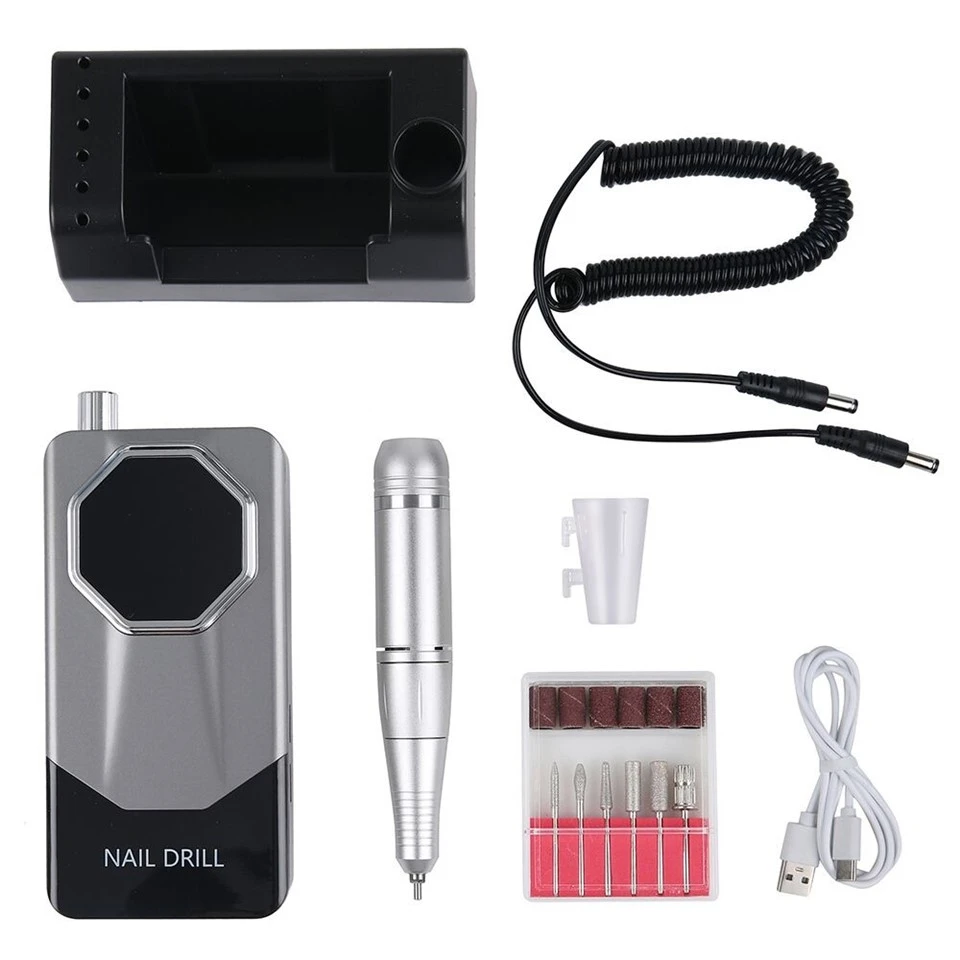
The first thing you need to do is to read the user manual of your rechargeable nail drill. This will give you specific information about how to adjust the torque on your particular model. Some drills have a simple torque adjustment knob, while others might have a digital display where you can set the torque level.
Step 2: Power On the Drill
Make sure your drill is fully charged and then turn it on. Before you start adjusting the torque, it's a good idea to let the drill run for a few seconds to warm up.
Step 3: Locate the Torque Adjustment Feature
As mentioned earlier, the location of the torque adjustment feature can vary. If your drill has a knob, it's usually located on the side or the back of the drill. If it's a digital display, you'll need to use the buttons on the drill to navigate to the torque setting.
Step 4: Adjust the Torque
Once you've located the adjustment feature, you can start adjusting the torque. If it's a knob, turn it clockwise to increase the torque and counter - clockwise to decrease it. If it's a digital display, use the up and down buttons to select the desired torque level.
Step 5: Test the Torque
After you've made an adjustment, it's important to test the drill on a piece of scrap nail or a dummy nail. This will give you a feel for how the drill performs at the new torque level. If the drill is too powerful, it might cause the nail to heat up or damage the nail surface. If it's too weak, it won't be able to perform the task effectively. Make further adjustments as needed until you find the right torque level for your task.
Tips for Adjusting Torque
Here are some tips to help you adjust the torque more effectively:
- Start Low: When you're using a new drill or trying a new task, it's always a good idea to start with a low torque setting. You can gradually increase the torque until you find the right level. This will help prevent damage to the nails.
- Consider the Nail Type: Different types of nails, such as natural nails, acrylic nails, and gel nails, require different torque levels. Natural nails are more delicate and need a lower torque, while acrylic and gel nails can handle a higher torque.
- Listen to the Drill: Pay attention to the sound of the drill. If it's making a loud, grinding noise, it might be a sign that the torque is too high. A smooth, quiet operation usually indicates that the torque is set correctly.
Our Rechargeable Nail Drills
At our company, we offer a wide range of rechargeable nail drills that are easy to use and have adjustable torque features. Our Salon Quality Nail Drill is perfect for professional nail salons. It has a high - quality motor that provides consistent torque, and the torque adjustment is simple and precise.
If you're someone who loves doing your nails at home, our Manicure Drill Machine is a great choice. It's lightweight, portable, and has a variety of torque settings to suit different nail care needs.
And for those who are looking for the best of the best, our The Best Naill Drill Machine offers top - notch performance. It has advanced torque control technology that allows you to fine - tune the torque for the most delicate or demanding nail care tasks.
Contact Us for Purchase
If you're interested in purchasing our rechargeable nail drills or have any questions about torque adjustment, feel free to reach out to us. We're always happy to help you find the right drill for your needs and provide you with all the information you need to get the most out of it. Whether you're a professional in the nail industry or a DIY enthusiast, our drills are designed to meet your expectations.
References
- Nail Care Handbook, Third Edition
- Professional Nail Technician's Guide to Power Tools
So, there you have it! Now you know how to adjust the torque of a rechargeable nail drill. Remember, getting the right torque is key to achieving great nail care results. Happy nailing!