

Breaking in a new nail drill cuticle bit is a crucial step that ensures both the longevity of the tool and the safety and comfort of your clients. As a nail drill cuticle bit supplier, I've witnessed firsthand the importance of this process. In this blog, I'll share the best way to break in a new nail drill cuticle bit, drawing on industry knowledge and practical experience.
Understanding the Importance of Breaking In
Before delving into the process, it's essential to understand why breaking in a new nail drill cuticle bit is necessary. A brand - new bit may have sharp edges or uneven surfaces that can cause discomfort or damage to the client's nails and cuticles. Breaking in the bit helps to smooth out these imperfections, making it safer and more effective to use. Additionally, proper break - in can extend the lifespan of the bit by reducing wear and tear during its initial use.
Preparing for the Break - In Process
- Inspect the Bit:
- Before starting the break - in process, carefully examine the new nail drill cuticle bit. Look for any visible defects such as cracks, chips, or irregularities in the surface. If you notice any issues, contact your supplier immediately for a replacement.
- Clean the Bit:
- Use a clean, dry cloth to wipe the bit and remove any dust or debris that may have accumulated during manufacturing or shipping. You can also use a mild solvent specifically designed for cleaning nail drill bits to ensure a thorough clean. Make sure the bit is completely dry before proceeding.
- Choose the Right Drill Speed:
- Set your nail drill to a low speed for the break - in process. A speed of around 5,000 - 10,000 RPM is generally recommended. Starting at a low speed helps to prevent excessive heat generation and reduces the risk of damaging the bit or the client's nails.
The Break - In Process
- Use a Practice Surface:
- Instead of using the new bit directly on a client's nails, it's advisable to use a practice surface. A piece of acrylic or artificial nail tip works well for this purpose. Place the practice surface securely in a holder or clamp to prevent it from moving during the break - in process.
- Start with Light Pressure:
- Gently touch the bit to the practice surface and apply very light pressure. Allow the bit to make contact with the surface for a few seconds at a time. This helps to gradually wear down any sharp edges and smooth out the surface of the bit.
- Move the Bit in a Circular Motion:
- While keeping the bit in contact with the practice surface, move it in a slow, circular motion. This helps to evenly distribute the wear on the bit and ensures that all parts of the cutting surface are broken in. Continue this process for about 2 - 3 minutes.
- Increase Pressure Gradually:
- After a few minutes of light pressure, gradually increase the pressure slightly. However, be careful not to apply too much pressure, as this can cause the bit to overheat or become damaged. Continue moving the bit in a circular motion for another 2 - 3 minutes.
- Check the Bit Regularly:
- Periodically stop the drill and inspect the bit. Look for any signs of excessive wear or damage. If the bit appears to be wearing unevenly or if you notice any issues, adjust your technique or stop the break - in process and consult your supplier.
Different Types of Nail Drill Cuticle Bits
There are various types of nail drill cuticle bits available, each with its own unique characteristics. Let's take a look at some common types and how the break - in process may vary for them.

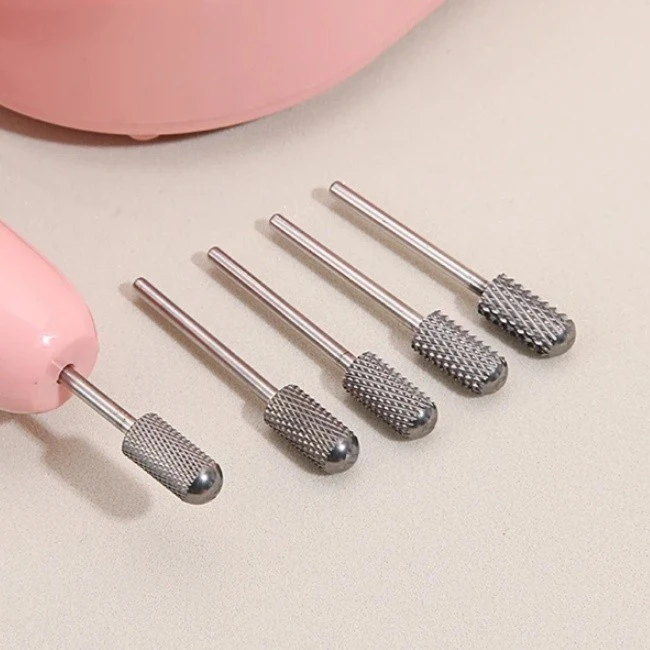
- Flat Nail Drill Bit:
- Flat nail drill bits are ideal for shaping and filing the nails. When breaking in a flat bit, focus on the edges and the flat surface. Use the circular motion described above to ensure even wear on the entire surface of the bit.
- Barrel Nail Drill Bit:
- Barrel nail drill bits are often used for removing cuticles and shaping the nail bed. During the break - in process, pay special attention to the curved surface of the bit. Move the bit in a circular motion around the barrel to ensure that all parts of the cutting surface are broken in evenly.
- Ceramic Nail Drill:
- Ceramic nail drill bits are known for their durability and heat resistance. When breaking in a ceramic bit, it's important to be extra cautious as they can be more brittle than other types of bits. Start with an even lower speed (around 3,000 - 5,000 RPM) and use very light pressure during the break - in process.
Post - Break - In Care
- Clean the Bit Again:
- After the break - in process is complete, clean the bit thoroughly to remove any debris or particles that may have been generated during the process. Use the same cleaning method as before, and make sure the bit is completely dry.
- Store the Bit Properly:
- Store the broken - in nail drill cuticle bit in a clean, dry place. You can use a dedicated bit case or holder to keep the bit protected from dust and damage. Avoid storing the bit in a humid environment, as this can cause rust or corrosion.
Benefits of Proper Break - In
- Enhanced Performance:
- A properly broken - in nail drill cuticle bit will perform more smoothly and efficiently. It will cut through the nails and cuticles with less resistance, resulting in a better manicure or pedicure experience for your clients.
- Increased Safety:
- By smoothing out the sharp edges and imperfections, a broken - in bit is less likely to cause injury to the client's nails or cuticles. This reduces the risk of pain, bleeding, or infection.
- Longer Lifespan:
- Proper break - in helps to reduce wear and tear on the bit, extending its lifespan. This means you'll get more use out of each bit, saving you money in the long run.
Contact for Purchase and Consultation
If you're interested in purchasing high - quality nail drill cuticle bits or have any questions about the break - in process or our products, we'd love to hear from you. Our team of experts is ready to assist you with your needs. Whether you're a professional nail technician or a salon owner, we can provide you with the right products and advice to ensure the best results for your business.
References
- Professional Nail Technician Handbook. [Publisher's name], [Year of publication].
- Nail Care and Beauty Industry Journal. [Volume number], [Issue number], [Year].
- Manufacturer's guidelines for nail drill cuticle bits.