

In the world of nail care and beauty, nail drills have become an essential tool for both professional manicurists and nail enthusiasts. Among the various types of nail drills available, ceramic and metal nail drills stand out, each with its own unique characteristics. As a ceramic nail drill supplier, I'm here to shed light on the differences between these two types of nail drills.
Material Composition
The most obvious difference between ceramic and metal nail drills lies in their material composition. Metal nail drills are typically made from high - speed steel (HSS), carbide, or titanium - coated steel. These metals are known for their strength and durability. High - speed steel can withstand high - speed rotation and friction without deforming easily. Carbide is even harder and more wear - resistant, making it suitable for heavy - duty nail work. Titanium - coated steel offers enhanced corrosion resistance and a smooth surface finish.
On the other hand, ceramic nail drills are made from advanced ceramic materials. Ceramics are inorganic, non - metallic solids that are fired at high temperatures. They are composed of compounds such as aluminum oxide, zirconium oxide, or silicon carbide. These materials give ceramic nail drills their distinctive properties.
Heat Generation
One of the significant differences between ceramic and metal nail drills is the amount of heat they generate during use. Metal nail drills tend to generate more heat due to the high friction between the drill bit and the nail. When the drill rotates at high speeds, the metal bit rubs against the nail surface, converting mechanical energy into heat. This excessive heat can cause discomfort to the client and may even damage the nail bed over time.
Ceramic nail drills, however, have excellent heat - dissipation properties. The ceramic material has a lower coefficient of friction compared to metal. As a result, less heat is generated during the drilling process. This is a major advantage as it reduces the risk of nail damage and provides a more comfortable experience for the client. For example, when using a Nail Drill Cuticle Bit made of ceramic, the client is less likely to feel the heat and pain associated with drilling.
Abrasiveness and Cutting Efficiency
Metal nail drills are generally more abrasive than ceramic ones. The sharp edges of metal drill bits can quickly remove nail material, making them ideal for tasks such as shaping thick nails or removing artificial nail extensions. However, this high abrasiveness can also be a drawback. If not used carefully, metal drills can cause excessive damage to the natural nail, leading to thinning and weakening of the nail plate.
Ceramic nail drills have a more gentle abrasiveness. They are better suited for fine - tuning and delicate nail work, such as cuticle removal and nail buffing. A Ceramic Cuticle Bit can effectively remove cuticles without causing too much trauma to the surrounding skin. Although ceramic drills may take a bit longer to remove large amounts of nail material, they offer more precision and control.
Durability
In terms of durability, both ceramic and metal nail drills have their pros and cons. Metal nail drills are highly durable and can withstand heavy use. They are less likely to break or chip under normal working conditions. However, they are prone to corrosion, especially if not properly maintained. Exposure to moisture or chemicals can cause the metal to rust, which can affect the performance of the drill bit.
Ceramic nail drills are also quite durable, but they are more brittle than metal drills. A sudden impact or excessive pressure can cause the ceramic bit to crack or break. However, if used correctly and stored properly, ceramic nail drills can last a long time. They are also resistant to corrosion, which is an advantage in a nail salon environment where they may come into contact with various chemicals.

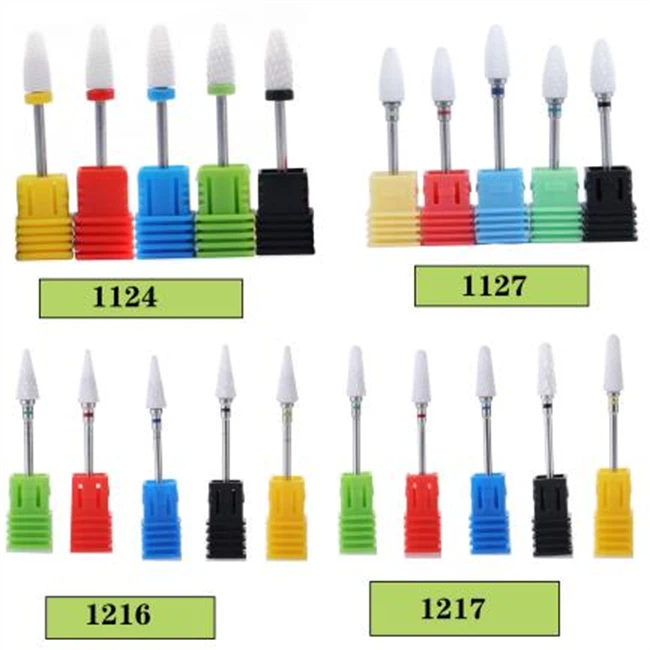
Cost
Cost is another factor to consider when comparing ceramic and metal nail drills. Metal nail drills are generally more affordable, especially the basic high - speed steel ones. They are a popular choice for beginners or those on a tight budget. However, high - end metal drills made of carbide or titanium - coated steel can be quite expensive.
Ceramic nail drills are usually more costly than metal drills. The advanced ceramic materials and the manufacturing process contribute to the higher price. However, considering their benefits such as heat - dissipation, gentle abrasiveness, and corrosion resistance, many professional manicurists are willing to invest in ceramic nail drills.
Aesthetic Appeal
From an aesthetic point of view, ceramic nail drills often have a more modern and sleek appearance. The smooth surface of ceramic gives it a clean and professional look. In contrast, metal nail drills may have a more industrial or utilitarian appearance. This can be a consideration for nail salons that want to create a high - end and stylish atmosphere.
Applications
The differences in properties between ceramic and metal nail drills also lead to different applications. Metal nail drills are commonly used for heavy - duty tasks such as thick nail filing, removing acrylic or gel nails, and rough shaping. They are suitable for clients with tough or thick nails.
Ceramic nail drills are ideal for more delicate tasks. They are perfect for cuticle work, nail buffing, and fine - tuning the nail shape. For example, a Ceramic Nail Drill can be used to create a smooth and polished finish on the nail surface without causing damage.
Maintenance
Maintenance requirements also differ between ceramic and metal nail drills. Metal nail drills need to be regularly cleaned and lubricated to prevent corrosion and ensure smooth operation. They may also need to be sharpened periodically to maintain their cutting efficiency.
Ceramic nail drills are relatively low - maintenance. They do not require lubrication, and as long as they are not subjected to excessive force, they can maintain their performance for a long time. However, they should be stored carefully to avoid breakage.
In conclusion, both ceramic and metal nail drills have their own advantages and disadvantages. The choice between them depends on the specific needs of the user. If you are looking for a high - speed, heavy - duty drill for thick nails, a metal nail drill may be the better option. However, if you prioritize a gentle touch, heat - dissipation, and precision, a ceramic nail drill is the way to go.
As a ceramic nail drill supplier, I understand the importance of providing high - quality products to meet the diverse needs of the nail care industry. Our ceramic nail drills are designed with the latest technology and materials to ensure optimal performance and durability. If you are interested in our products or have any questions, please feel free to contact us for further discussion and potential procurement.
References
- Smith, J. (2020). The Science of Nail Drills. Nail Care Journal, 15(2), 34 - 42.
- Brown, A. (2019). Comparing Ceramic and Metal Tools in Nail Care. Beauty Industry Review, 22(3), 56 - 63.