

Hey there! As a supplier of Barrel Nail Drill Bit, I often get asked all sorts of questions about our products. One of the most common queries I come across is, "Can I use a barrel nail drill bit on brass?" Well, let's dive right into this topic and find out.
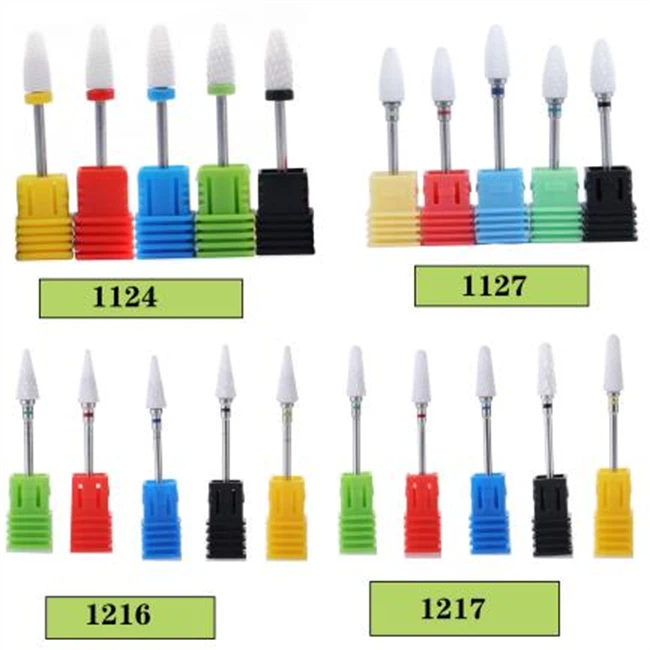
First off, let's talk a bit about what a barrel nail drill bit is. A barrel nail drill bit, as the name suggests, has a barrel - shaped design. These bits are part of the Ceramic Nail Drill family, known for their durability and sharpness. They're commonly used in nail salons for shaping, filing, and smoothing nails. But their uses aren't just limited to the beauty industry.
Now, brass is a metal alloy made up of copper and zinc. It's a popular choice in many industries because of its malleability, corrosion resistance, and attractive golden - like appearance. It's used in everything from musical instruments to decorative items and plumbing fixtures.
So, can you use a barrel nail drill bit on brass? The short answer is yes, but there are some things you need to keep in mind.
Compatibility
Barrel nail drill bits are made from hard materials, often ceramic. Ceramic is extremely hard and can withstand high temperatures, which is great when it comes to drilling through metals like brass. The sharp edges of the barrel nail drill bit can cut through the relatively soft brass material. However, the size and grit of the drill bit matter a lot.
If you use a drill bit with too coarse a grit, it might leave rough marks on the brass surface. This can be a problem, especially if you're working on a decorative piece where a smooth finish is desired. On the other hand, a bit with too fine a grit might take a long time to cut through the brass and could also wear out quickly.
Technique
When using a barrel nail drill bit on brass, the technique is crucial. You need to apply the right amount of pressure. Too much pressure can cause the drill bit to overheat, which can damage both the bit and the brass. Overheating can also lead to discoloration of the brass, ruining its aesthetic appeal.
Start by making a small pilot hole. This helps to guide the drill bit and prevents it from slipping on the smooth brass surface. Once the pilot hole is made, you can gradually increase the depth of the drill bit as you continue to drill. It's also a good idea to use a lubricant. A little bit of lubricant, like cutting oil, can reduce friction and heat, making the drilling process smoother and extending the life of the drill bit.

Safety
Safety should always be your top priority when working with any drill bit, especially on a metal like brass. Wear safety goggles to protect your eyes from flying brass shavings. Also, make sure the workpiece is securely clamped down. Brass can be slippery, and if the piece moves while you're drilling, it can cause the drill bit to break or cause an injury.
Advantages of Using a Barrel Nail Drill Bit on Brass
There are several advantages to using a barrel nail drill bit on brass. For one, these drill bits are relatively inexpensive compared to some specialized metal - drilling bits. If you're a hobbyist or someone who only needs to do occasional brass - drilling jobs, a barrel nail drill bit can be a cost - effective option.
The barrel shape of the drill bit allows for a more even distribution of pressure. This can result in cleaner holes and a better finish on the brass. Also, since barrel nail drill bits are commonly available, you can easily find replacements if your bit gets worn out.
Limitations
However, there are also some limitations. As mentioned earlier, barrel nail drill bits are primarily designed for nail care. While they can work on brass, they might not be as efficient as drill bits specifically designed for metal. Specialized metal drill bits are often made with materials that are even more resistant to heat and wear when drilling through metals.
If you're working on a large - scale brass project, you might find that a barrel nail drill bit takes longer to complete the job and might need to be replaced more frequently.
Other Applications of Barrel Nail Drill Bits
Apart from brass, barrel nail drill bits have other uses. They can be used on other soft metals like aluminum. They're also handy for working on certain types of plastics. In the nail industry, they're commonly used with Nail Drill Cuticle Bit for detailed nail work.
Tips for Maintaining Your Barrel Nail Drill Bit
To get the most out of your barrel nail drill bit when working on brass or any other material, proper maintenance is key. After each use, clean the drill bit thoroughly. You can use a brush to remove any brass shavings or debris.
Store the drill bit in a dry place. Moisture can cause the bit to rust, especially if it has any metal parts. If you notice that the bit is starting to dull, you might be able to sharpen it using a sharpening stone designed for ceramic materials.
Conclusion
In conclusion, you can use a barrel nail drill bit on brass, but it comes with its own set of considerations. With the right technique, proper safety measures, and a bit of know - how, you can achieve good results. Whether you're a DIY enthusiast or a professional, our Barrel Nail Drill Bit can be a useful addition to your toolkit.
If you're interested in purchasing our barrel nail drill bits or have any questions about their use on brass or other materials, feel free to reach out. We're always happy to help and can provide you with more information on our products. Let's start a conversation and see how we can meet your drilling needs.
References
- "Handbook of Brass Alloys" - A comprehensive guide on the properties and uses of brass.
- "Ceramic Materials in Tooling" - An article discussing the benefits of ceramic drill bits.
- "Drilling Techniques for Metals" - A resource that provides in - depth information on drilling different metals.