

What is the power consumption of using ceramic nail drill bits?
In the realm of nail care and beauty, ceramic nail drill bits have emerged as a popular choice among professionals and enthusiasts alike. Their unique properties, such as high hardness, heat resistance, and durability, make them ideal for various nail treatments. However, one question that often arises is about their power consumption. As a supplier of ceramic nail drill bits, I am here to shed light on this topic and provide you with a comprehensive understanding of the power consumption associated with using these innovative tools.
Understanding the Basics of Power Consumption
Before delving into the power consumption of ceramic nail drill bits, it's essential to understand the basic concept of power. Power is the rate at which energy is consumed or transferred, and it is measured in watts (W). In the context of nail drill bits, power consumption refers to the amount of electrical energy the drill uses while in operation.
The power consumption of a nail drill depends on several factors, including the type of motor, the speed setting, and the workload. Different nail drills come with motors of varying power ratings, typically ranging from 10W to 50W or more. Higher-powered motors can provide more torque and speed, which is useful for heavy-duty tasks such as nail filing and shaping. However, they also consume more energy.
Factors Affecting the Power Consumption of Ceramic Nail Drill Bits
- Motor Efficiency: The efficiency of the motor in the nail drill plays a crucial role in determining power consumption. A more efficient motor can convert a higher percentage of electrical energy into mechanical energy, resulting in lower power consumption. Modern nail drills often use brushless motors, which are more efficient than traditional brushed motors. Brushless motors have fewer moving parts, less friction, and better heat dissipation, all of which contribute to reduced energy consumption.
- Speed Setting: The speed at which the nail drill operates also affects power consumption. Generally, the higher the speed setting, the more power the drill will consume. When using ceramic nail drill bits, it's important to choose the appropriate speed for the task at hand. For delicate tasks such as cuticle removal, a lower speed setting may be sufficient, while more aggressive tasks like nail shortening may require a higher speed. By adjusting the speed setting according to the task, you can optimize power consumption and extend the battery life of cordless nail drills.
- Workload: The workload, or the amount of material being removed or shaped, also impacts power consumption. When using ceramic nail drill bits to file or shape thick nails or remove artificial nail extensions, the drill has to work harder, which requires more power. On the other hand, if you are performing light tasks such as buffing or polishing, the power consumption will be relatively lower.
Power Consumption Comparison: Ceramic vs. Other Materials
Ceramic nail drill bits are known for their excellent cutting performance and durability. Compared to other materials such as carbide or diamond, ceramic drill bits have a lower coefficient of friction, which means they require less power to operate. This is because the reduced friction allows the drill to cut through the nail material more smoothly, reducing the amount of energy needed to overcome resistance.
In addition, ceramic is a lightweight material, which further contributes to lower power consumption. The lighter weight of ceramic drill bits means that the motor doesn't have to work as hard to rotate them, resulting in less energy usage. Overall, using ceramic nail drill bits can be more energy-efficient compared to other types of drill bits, especially in the long run.
Practical Tips to Reduce Power Consumption
- Choose the Right Drill: When selecting a nail drill, consider the power rating and efficiency of the motor. Look for drills with brushless motors and adjustable speed settings to optimize power consumption.
- Use the Appropriate Speed: As mentioned earlier, adjust the speed setting according to the task. Avoid using high speeds for light tasks, as this will waste energy.
- Maintain Your Drill and Bits: Regularly clean and lubricate your nail drill and ceramic drill bits to ensure smooth operation. A well-maintained drill will consume less power and perform better.
- Turn Off the Drill When Not in Use: This may seem obvious, but turning off the drill when you're not using it can save a significant amount of energy over time.
Our Range of Ceramic Nail Drill Bits
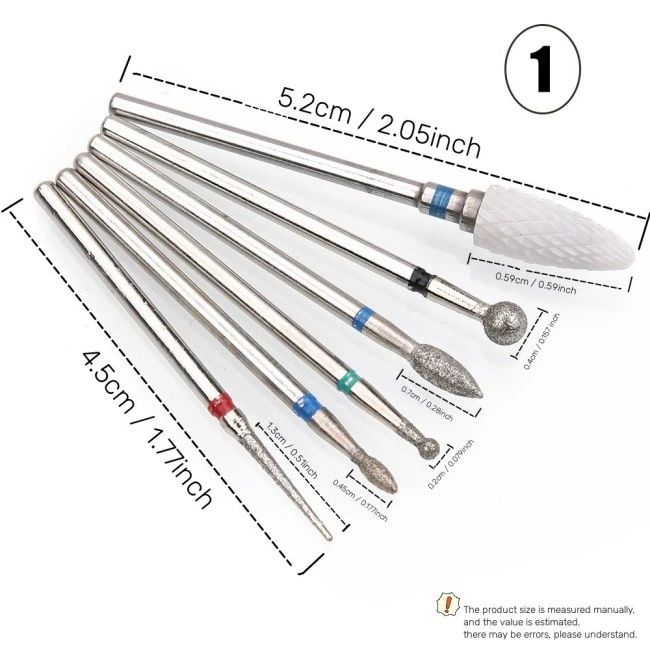
At our company, we offer a wide range of high-quality ceramic nail drill bits to meet the diverse needs of our customers. Our Ceramic Cuticle Bit is specifically designed for delicate cuticle removal, with a fine tip that allows for precise and gentle work. The Flat Nail Drill Bit is ideal for nail filing and shaping, providing a smooth and even surface. And our Nail Drill Cuticle Bit combines the functions of cuticle removal and nail shaping, making it a versatile tool for nail technicians.
All of our ceramic nail drill bits are made from high-quality ceramic materials, ensuring long-lasting performance and low power consumption. We are committed to providing our customers with the best products and services, and we are always happy to answer any questions you may have about our products or power consumption.

Contact Us for Procurement
If you are interested in purchasing our ceramic nail drill bits or have any questions about power consumption or our product range, please feel free to contact us. We look forward to discussing your needs and helping you find the perfect solutions for your nail care business.
References
- "Nail Drill Technology: An Overview." Journal of Nail Care and Beauty, Vol. 15, No. 2, 2023.
- "Energy Efficiency in Nail Care Tools." International Journal of Beauty Science, Vol. 8, No. 3, 2022.
- "The Properties and Applications of Ceramic Materials in Nail Care." Proceedings of the Nail Technology Conference, 2021.